Notes
Quick thoughts and observations.
-
How the hell are you supposed to have a career in tech in 2026?
An insightful and apposite post from Anil Dash…
Anil Dash: How the hell are you supposed to have a career in tech in 2026?
-
The Linux Foundation launches the “Agentic AI Foundation (AAIF)”
Anthropic, Google, OpenAI, Block (parent company of Square), Microsoft, Cloudflare, Amazon, and Bloomberg are founding governance board members of the newly-formed Agentic AI Foundation, a new part of the Linux Foundation. From the announcement…
The advent of agentic AI represents a new era of autonomous decision making and coordination across AI systems that will transform and revolutionize entire industries. The AAIF provides a neutral, open foundation to ensure this critical capability evolves transparently, collaboratively, and in ways that advance the adoption of leading open source AI projects. Its inaugural projects, AGENTS.md, goose and MCP, lay the groundwork for a shared ecosystem of tools, standards, and community-driven innovation.

I’m really glad to see something like this finally form. Each of the foundation model companies have been releasing competing “standards,” which really weren’t that at all since they were authored and governed by themselves, rather than a non-profit governance board. For those of us who use multiple agents in our coding practice, leveraging each one’s unique skills, it has been a pain in the ass to set up a repo to work with all them.
Like Simon though, I hope they help standardize inference APIs. There are several projects designed specifically just to address the complexity of following all the different model providers’ APIs. We desperately need some standardization. I would hope the governance board would include experimental vendor extensions to such a standard though — similar to how W3C provided vendor extensions to CSS so that model providers could still innovate and propose functionality without having to wait for it to go through the standardization process.
-
“Work Slop” Shaming Is Costing Your Team
The term “work slop”—a workplace-specific hyponym of “AI slop”—has entered the lexicon. It communicates both frustration and judgment: frustration with a colleague’s output, judgment of how they produced it.
I can empathize with the frustration, especially when someone else’s AI-generated draft creates cleanup work for you. But the judgment is counterproductive. AI-assisted tools are here to stay, whether as new AI-native products or as features quietly embedded in tools we’ve used for years.
Consider that what looks like “work slop” is often a natural artifact of people calibrating. They’re learning where AI accelerates their work and where it undermines it, where it handles nuance and where it flattens it. That calibration takes reps, and some of those reps will miss the mark.
Don’t shame it—use it as a discussion starter. What worked? What fell flat? Build a culture where people can share AI techniques openly and refine their approaches together. The alternative—people hiding their AI use or abandoning it entirely out of social pressure—leaves value on the table and learning underground.
-
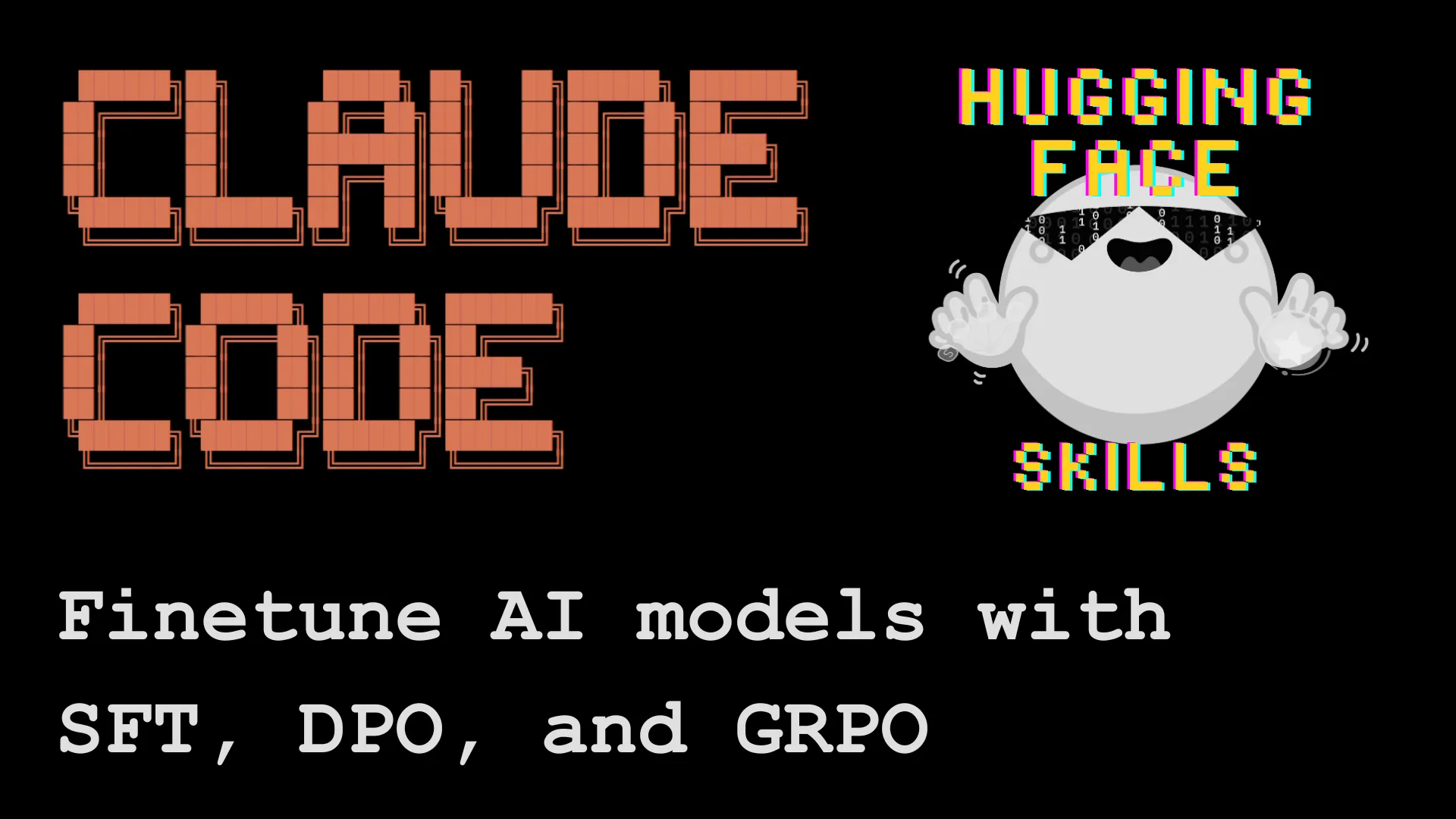
Hugging Face got Claude Code to finetune an LLM
Not only did it write the training script, but it submitted the jobs to cloud GPUs, monitored progress, and pushed finished models to the Hugging Face Hub. They leveraged “Skills” to make it happen. Read more…
-
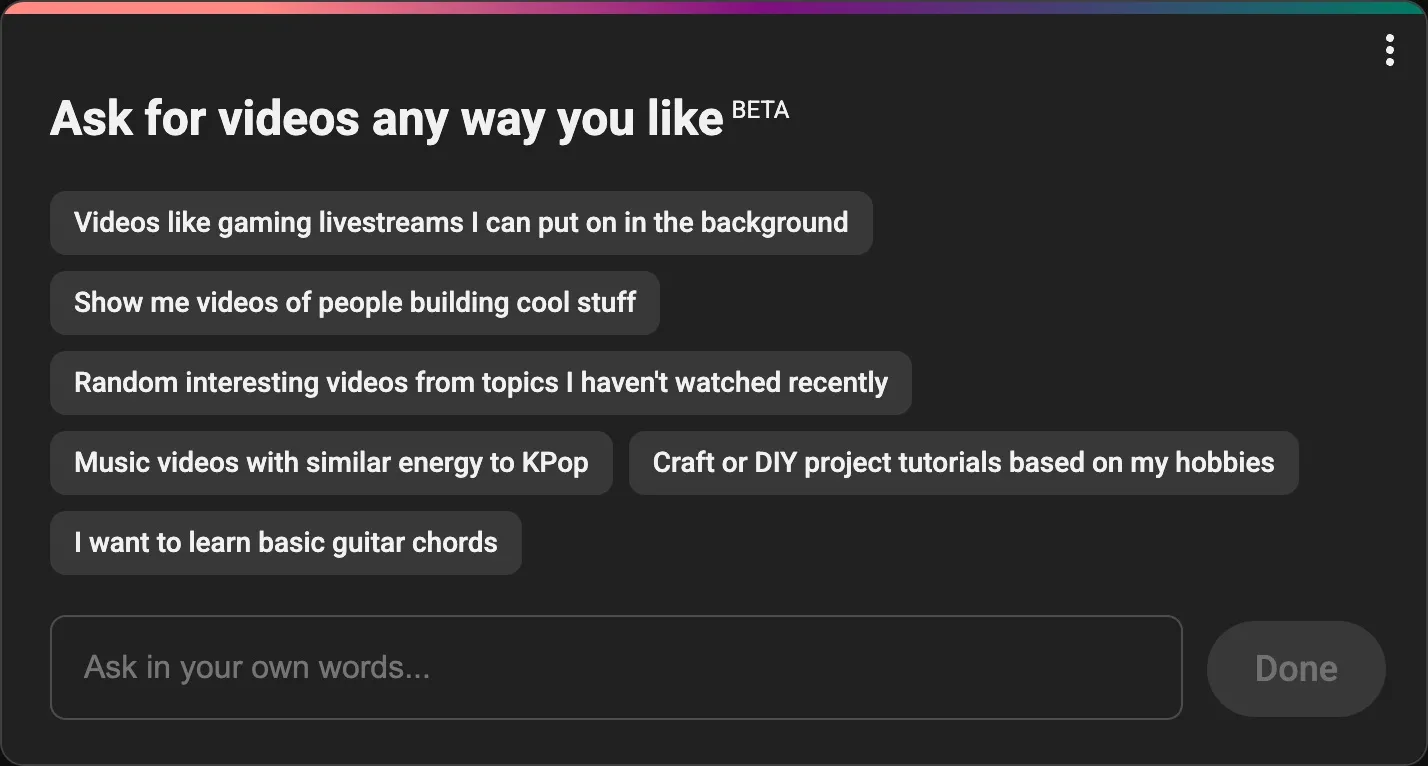
Dear Algo…
Love this from YouTube. Cool to see more products release some form of “dear algo” feature.
-
Anthropic is acquiring Bun.
I didn’t see this one coming. I think the key sentence from the announcement is this:
As an all-in-one toolkit—combining runtime, package manager, bundler, and test runner—it’s become essential infrastructure for AI-led software engineering, helping developers build and test applications at unprecedented velocity.
Rust has become my favorite language to build in with Claude Code, and the reason why is because the superb toolchain creates a tight feedback loop for agentic iteration.
Typescript/Javascript’s toolchain has always been an absolute nightmare and Bun was created, in part, to address that. A tight feedback loop means Claude Code arrives at solutions faster with fewer tokens burned. Strategically, if Anthropic can more tightly integrate Bun into their products, it means improved user experience and reduced variable costs.
-
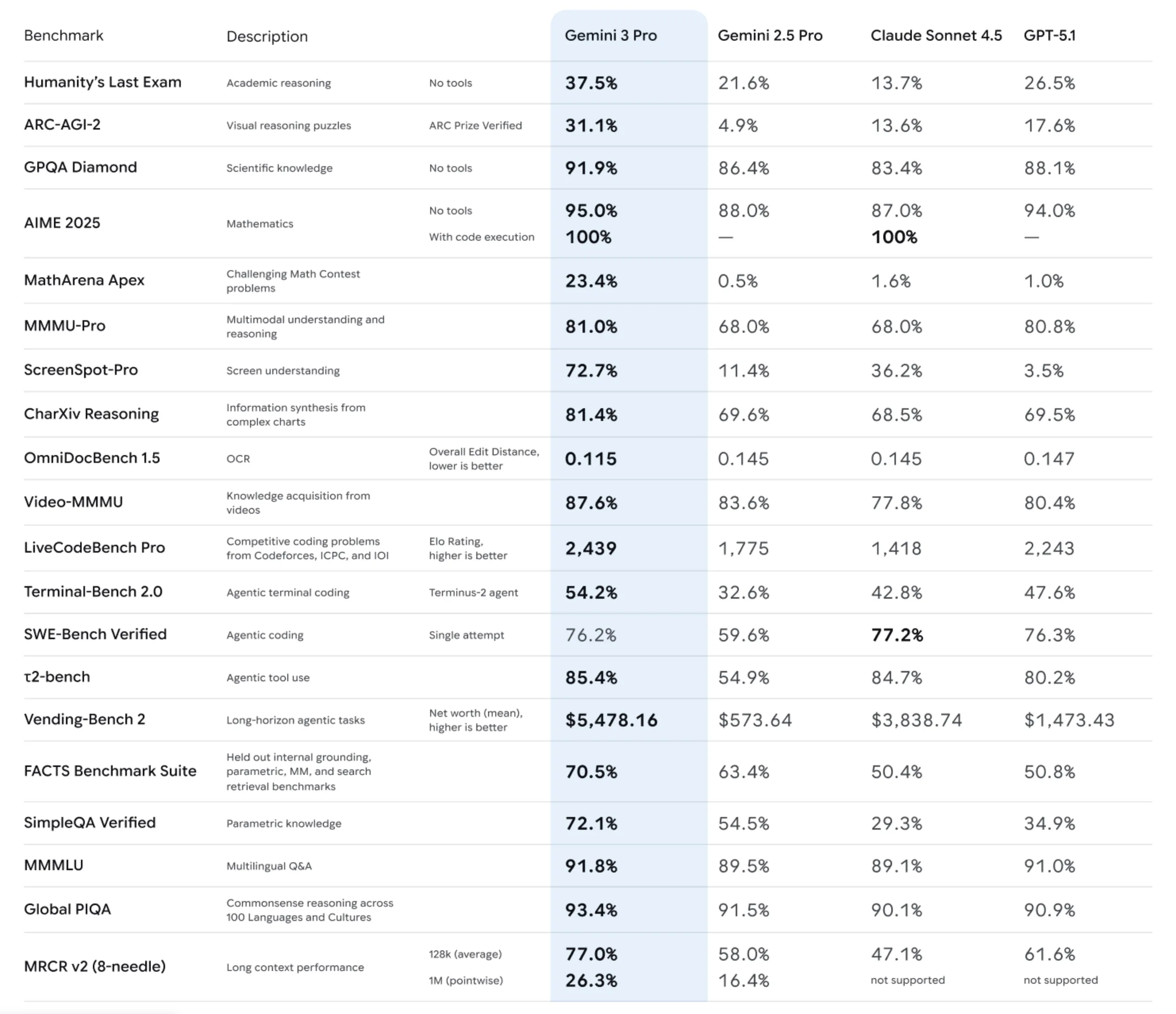
Gemini 3 Pro
Screen understanding + coding + reasoning… will Gemini 3 Pro be the backbone of some new UI coding tools?